




Mauritius in winter: why not?
30 July 2026
“When is the best time to visit Mauritius?” It’s a question almost every traveller asks when planning a trip to the island. Many opt for the summer, from November to April, with visitor numbers peaking between December and February. But winter in the tropics has plenty going for it too. Perhaps enough to make you rethink your travel plans.
Located in the Southern Hemisphere, Mauritius experiences just two seasons: summer and winter. Summer, which coincides with the peak tourist season, is warm and humid. Winter, by contrast, is cooler and drier, though it bears little resemblance to a European winter. Temperatures along the coast typically hover around 25°C, while on the central plateau they can fall to around 15°C, particularly after sunset.
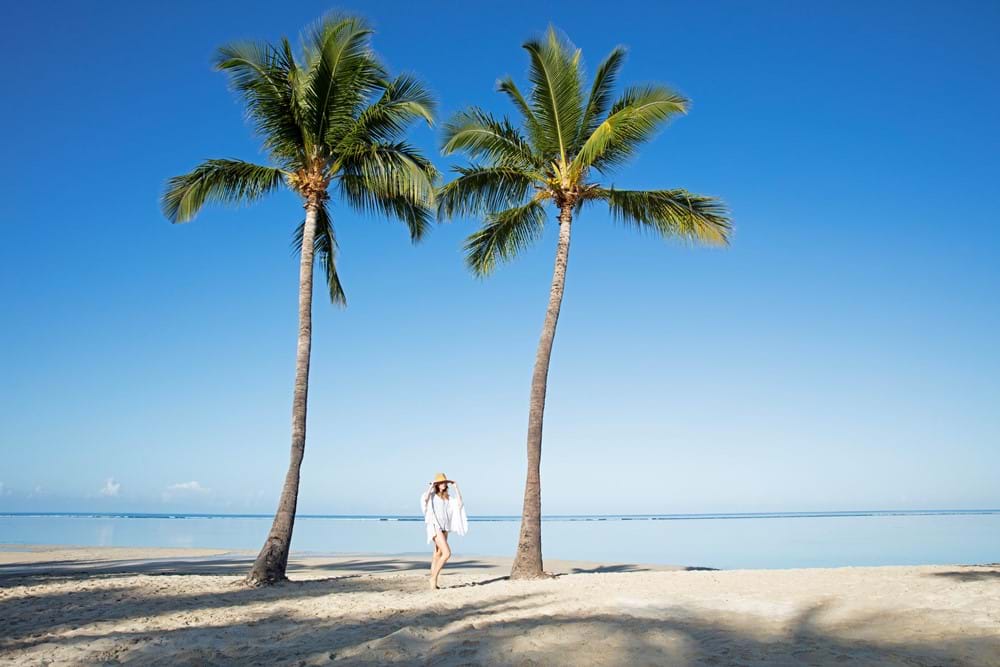
The perfect climate for exploring the island
Mauritius’ mountainous landscape creates a variety of microclimates, resulting in noticeable temperature differences between the coast and the central plateau. Humidity can also make the air feel cooler than the thermometer suggests. If you’re planning to venture inland, it’s worth packing a light sweater.
Winter may be cooler, but sunshine is still very much part of the experience. The milder temperatures make sightseeing and outdoor activities especially enjoyable, whether you’re hiking through the island’s national parks or exploring scenic trails by mountain bike. It’s also sensible to bring a lightweight waterproof or windbreaker, just in case.
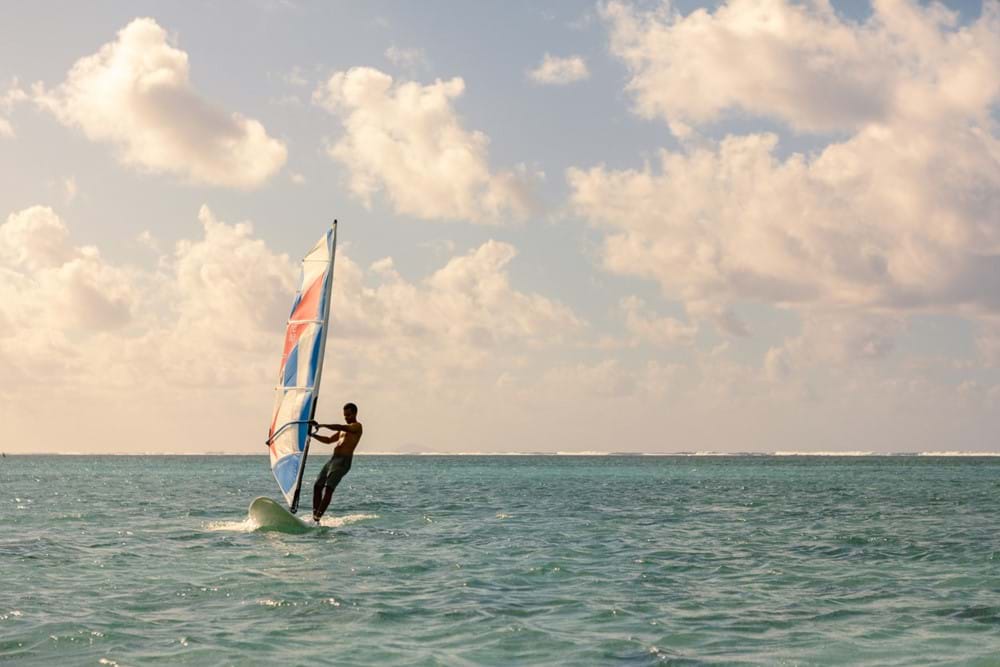
The winter months are generally windier, creating ideal conditions for watersports such as windsurfing and kitesurfing. And unless you feel the cold, lagoon temperatures of around 22–23°C are unlikely to stop you taking a refreshing dip. Better still, winter falls outside the cyclone season.
Easier access to the island’s attractions
Travelling during the quieter season means many of the island’s tourist attractions are less crowded, thanks to fewer foreign and local visitors. The beaches are more peaceful, queues at popular sites are shorter, and even sought-after restaurants are often easier to book. Lower demand can also translate into more attractive rates for certain activities and services.
Ever-changing landscapes
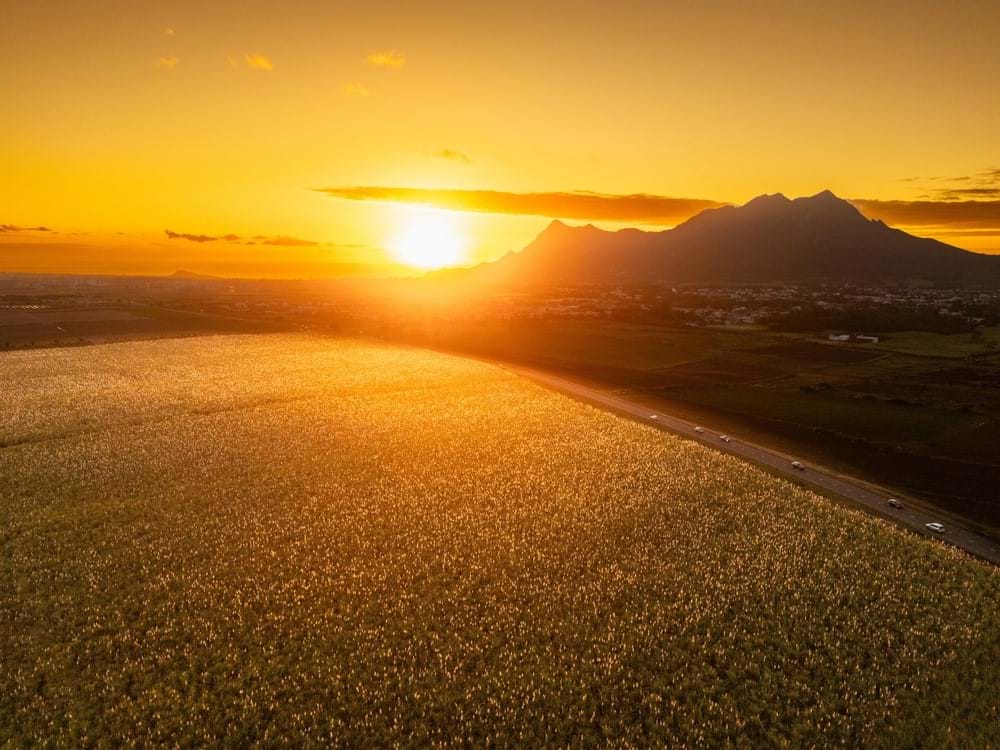
Winter also transforms parts of the Mauritian landscape thanks to the annual sugar cane harvest. As vast stretches of cane are cut, entirely new vistas emerge, revealing views that remain hidden for much of the year. Photography enthusiasts will find plenty of inspiration.
Humpback whale season
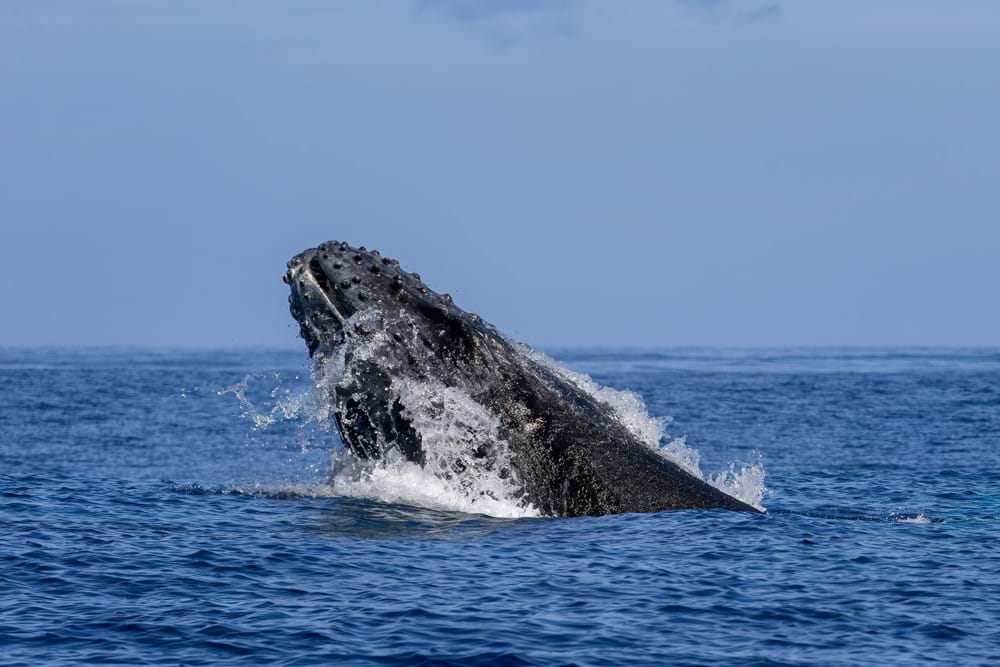
Wildlife lovers have another reason to visit during the austral winter. Alongside the dolphins and sperm whales that inhabit Mauritian waters throughout the year, humpback whales make their seasonal appearance.
These magnificent mammals migrate from the Southern Ocean to the warmer waters off Mauritius’ west coast to breed and give birth. Some travel as far as 5,000 kilometres to reach these sheltered waters, where mothers nurse their calves before beginning the long journey south once again. They usually remain in Mauritian waters until the end of September.
Boat excursions offer the opportunity to observe these remarkable animals in their natural habitat. To protect their wellbeing, whale-watching activities are strictly regulated by the authorities. Swimming or diving with the whales is strictly prohibited, and all vessels must remain at least 100 metres away.

We could go on, but that would spoil the pleasure of discovering Mauritius for yourself.
One thing is certain: there is no single “best” time to visit Mauritius. Whatever the season, the island and its people are ready to offer you a warm welcome.