



Discover the Story of Sugar Cane in Mauritius
31 August 2026
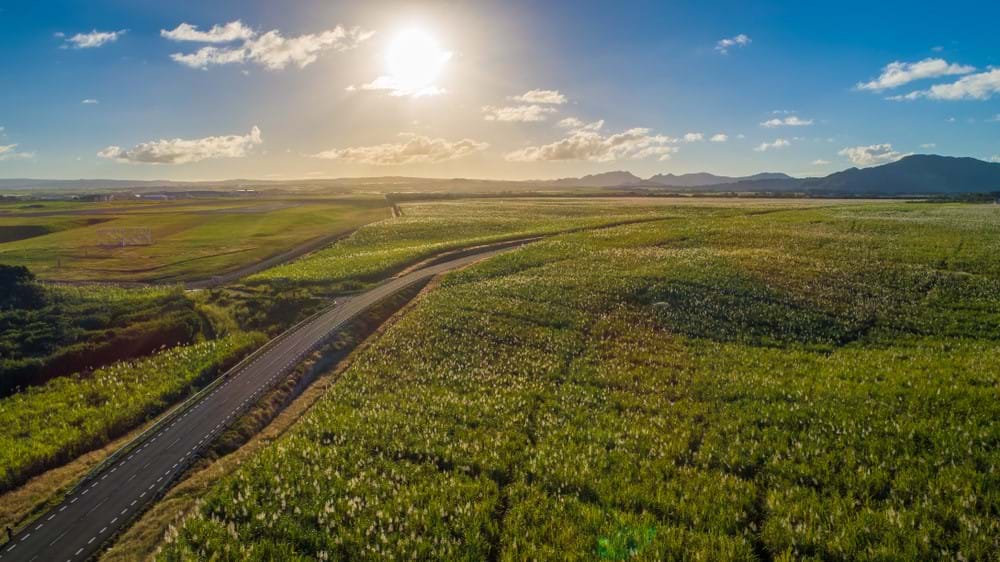
Your plane begins its descent towards Mauritius. The sky is perfectly clear. Seatbelt fastened, you keep your eyes on the view outside. Suddenly, the island comes into sight… The blue of the ocean gradually gives way to green, with vast stretches of sugar cane spreading across the island. The fields form striking patterns across the landscape.
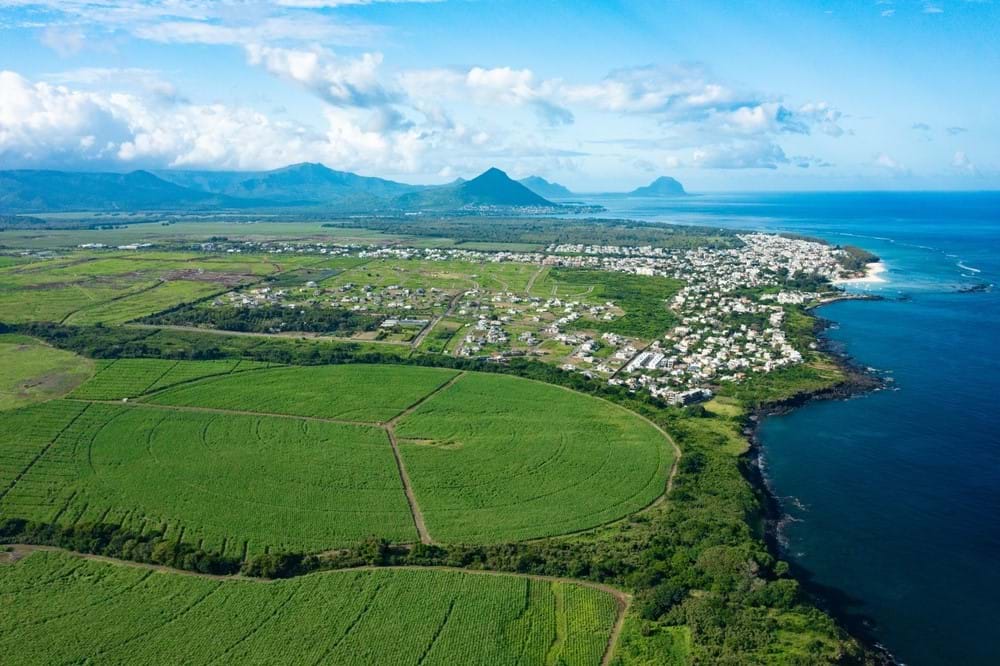
Wherever you travel in Mauritius, sugar cane is never far away. Along the main roads or on the outskirts of a town, it is everywhere.
Introduced to Mauritius by the Dutch nearly 400 years ago, in 1638, sugar cane has reshaped the island’s landscapes and played a defining role in its history. Its juice was initially used to produce a spirit known as arrack, a precursor to rum.
A little history
During the French period, from 1715 to 1810, sugar production developed into a major industry. Its growth, however, was built on the exploitation of enslaved people brought from Africa and Madagascar to work on the plantations. Sugar soon became central to the island’s economy.
This central role continued after the British took possession of the island in 1810. As the abolition of slavery approached, plantation owners increasingly turned to Indian indentured labour. Between 1834 and 1920, nearly 500,000 indentured workers arrived in Mauritius, many to work on the sugar plantations. These periods left a lasting mark on Mauritius and form part of the complex history that has shaped the island’s society today.
An economic foundation
If you visit during the Mauritian winter, you may see the harvest season in full swing. Once cut, the cane is loaded onto lorries and transported to the three sugar mills still operating today. Travel through the North, East or South of the island and you may spot one along the way. In the 1960s, Mauritius had more than twenty sugar mills, although they were smaller and less efficient.
For many years, the sugar industry was the backbone of the Mauritian economy. Since independence in 1968, however, the country has gradually diversified into other sectors. Although less land is now planted with sugar cane, advances in agricultural techniques and industrial technology have helped maintain production and improve the quality of Mauritian sugars.
Distinctive flavours
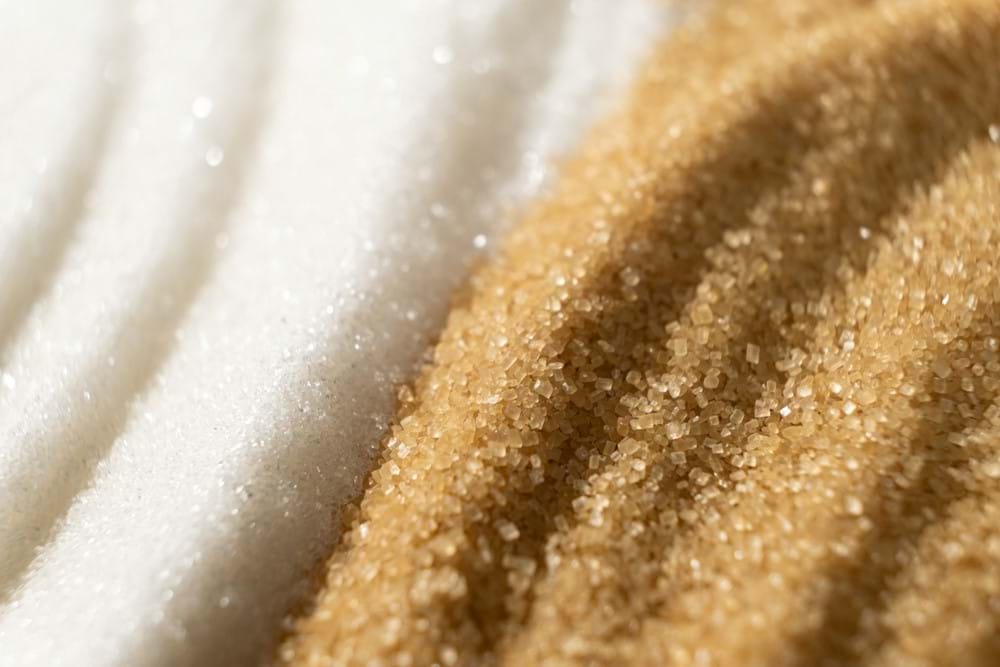
In 1978, Mauritius began producing its first unrefined sugars, known as “special sugars”. These sugars retain the distinctive flavours and aromas of the cane. Today, Mauritius produces 18 varieties, exported around the world.
These sugars reflect generations of know-how, shaped by the island’s volcanic soil and tropical climate. During your stay, try a few for yourself, and perhaps bring a favourite home with you.
Nothing goes to waste
Very little goes to waste when sugar cane is processed. Once the stalks are crushed and the juice extracted, the fibrous residue, known as bagasse, is used as fuel in thermal power plants beside the sugar mills. The resulting ash is then recovered and used as fertiliser.
As the cane juice is clarified, a nutrient-rich residue known as filter cake is collected and returned to the fields as fertiliser. Molasses, another by-product of sugar production, is used to make ethanol, a biofuel.
Sugar may no longer sit at the heart of the Mauritian economy, but sugar cane remains part of the island’s story, shaping its landscapes, its flavours and the way Mauritius is experienced today.