




Three Iconic Road Trips to Discover Mauritius
27 February 2026
Roads that curve gently through the plateau. Forests that grow denser as the road narrows. Villages, viewpoints and stretches of coastline that appear when you’re not expecting them. In Mauritius, all you have to do is follow the road and the landscape begins to shift.
The air cools as you climb inland. It warms again as you head back towards the sea. Sugar cane fields give way to ravines. Elevated viewpoints reveal how close everything really is. Lagoons open wide and bright.
Here are three routes across Mauritius. Whether you’re drawn to nature, history or food, each one reveals a different rhythm of the island and its people, best discovered at your own pace.
From Curepipe to Tamarin, via Chamarel
Set on the central plateau, Curepipe is known for its cool climate and distinctive atmosphere. The town is home to several places of interest: the Town Hall, the botanical garden, and Trou-aux-Cerfs, an impressive 300-metre wide volcanic crater. From the top, the island stretches out in every direction.
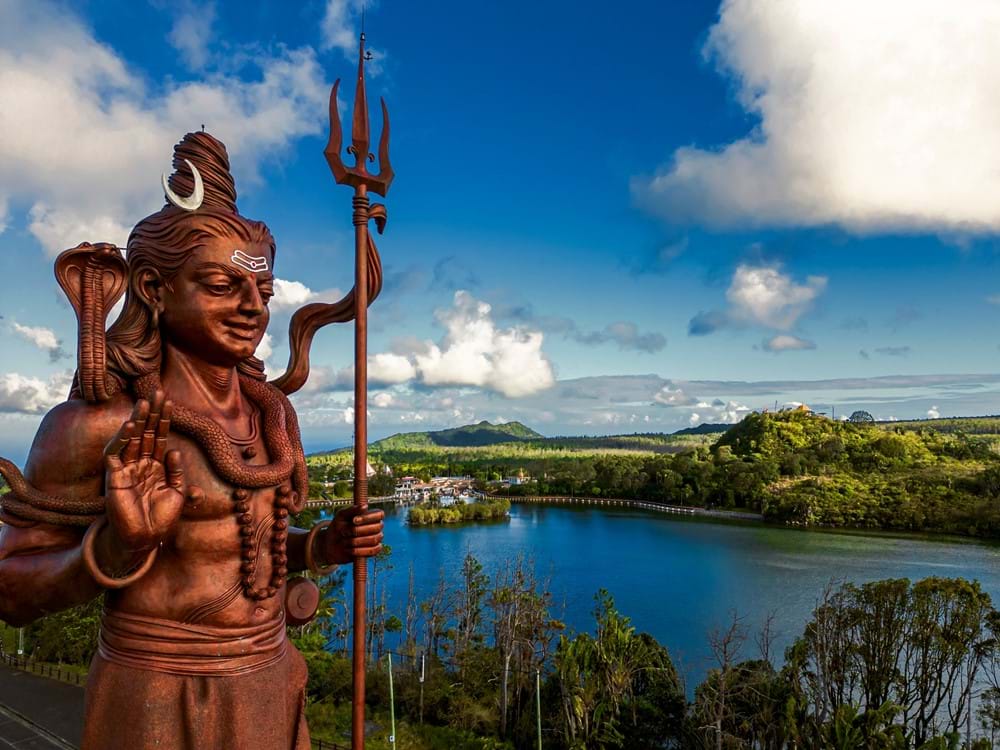
Then take the B70 towards Grand Bassin. The road leads you into thicker vegetation. Grand Bassin (also known as Ganga Talao) is a lake considered sacred by Hindus. Each year, it is a major pilgrimage site in the days prior to Maha Shivratri.
Next, head to Bois Chéri. The forest gives way to tea fields, the oldest on the island. Introduced during the British period, Mauritians’ love of tea is anything but a myth. It’s enjoyed at any time of day… with a splash of milk, of course!
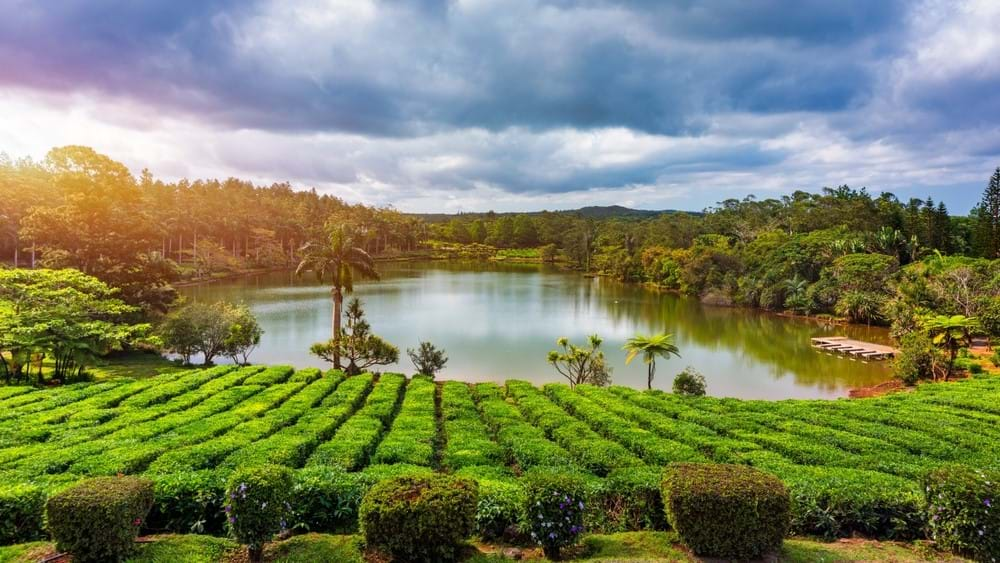
Visit the factory to discover the production process and savour the aroma of freshly dried leaves. In the restaurant, tea even finds its way into certain dishes, giving them a flavour unique to this terroir. You’ll taste tea in ways you didn’t expect.
Continue along the winding road through the Black River Gorges National Park. Destination: the village of Chamarel. Take time for Alexandra Falls before climbing to the viewpoint.
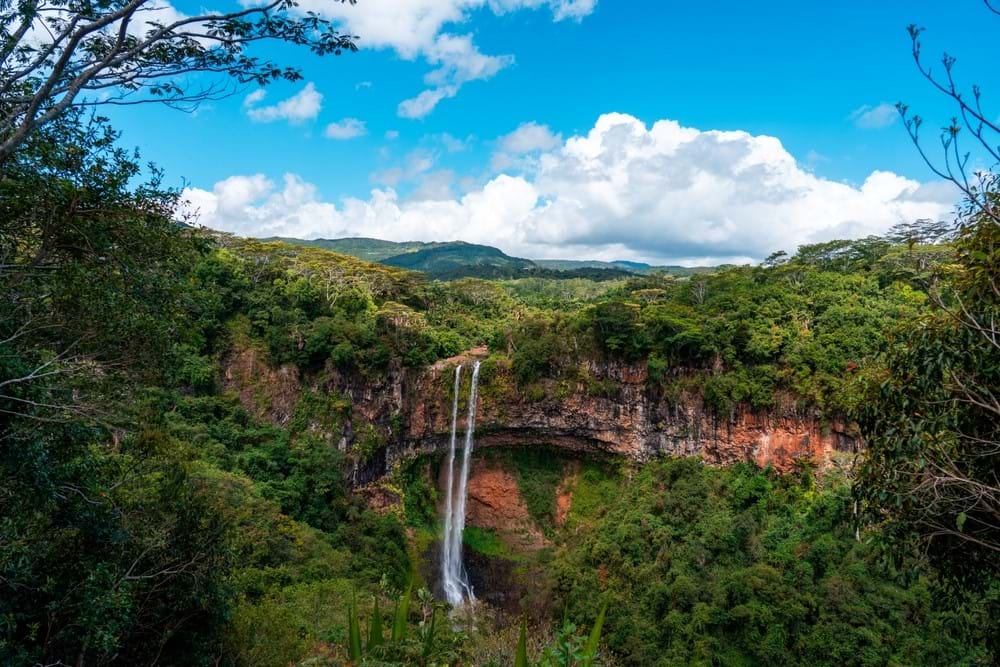
Descend towards Chamarel, a village that has kept its authentic charm. Creole restaurants, natural attractions, coffee cultivation (which is unique on the island), and its beautiful chapel dating back to 1876 all make it a destination in its own right. Pause for a moment to truly enjoy it before reaching for your phone to share it with your friends.
Along the coastal road, you’ll pass through the villages of Case Noyale and Rivière Noire. Your final stop: Tamarin Bay, a legendary surf spot. Take your time here, as the bay is even more spectacular at sunset.
From Mahébourg to Le Morne
On the south-east coast, Mahébourg has a charm of its own. Once the island’s capital under French rule, the village still reflects the historical legacy of this period. Its lively market is the perfect place to taste local street food and pick up a few souvenirs.
The Mahébourg Museum houses unique historical artefacts, including the almost complete skeleton of a dodo.
After this cultural stop, head to Gris-Gris, where the waves crash against the cliffs.
You’ll then pass through the village of Souillac before following the coastal road through Riambel, Rivière des Galets, Bel Ombre and Baie du Cap. In some places, the sea nearly touches the road. Open the windows and breathe in the salty air.
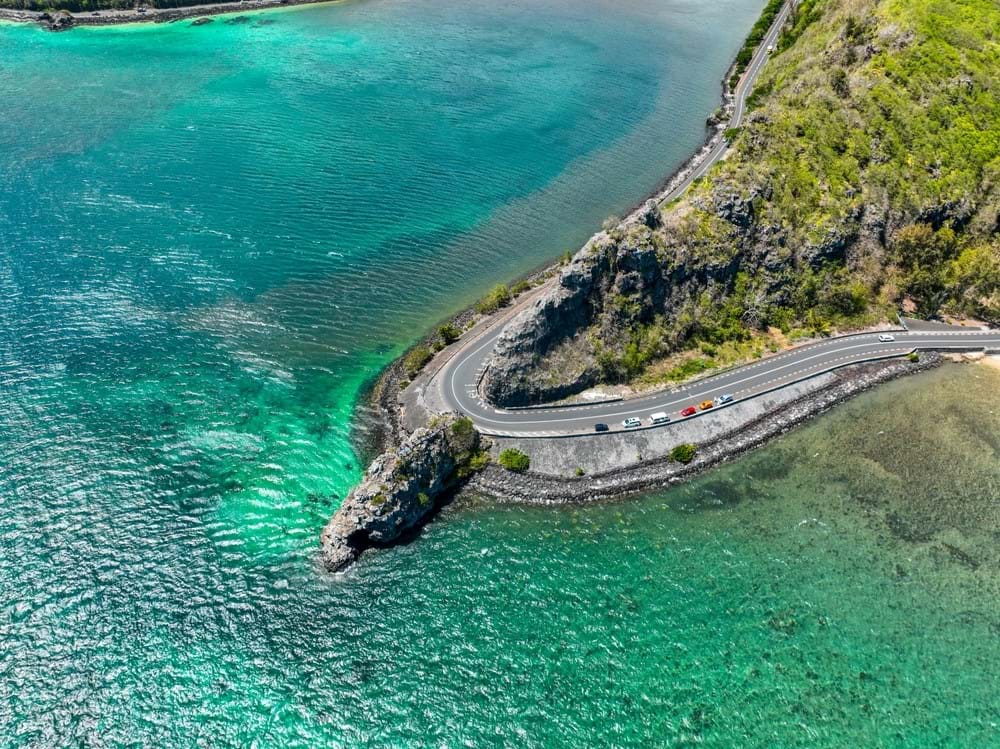
The highlight of the journey: the Macondé viewpoint. A short climb up a few steps rewards you with sweeping views over the ocean.
The coastal road continues to the village of Le Morne, named after the majestic mountain that towers above it. A UNESCO World Heritage Site since 2008, Le Morne Brabant once served as a refuge for runaway slaves and now stands as a powerful symbol of freedom.
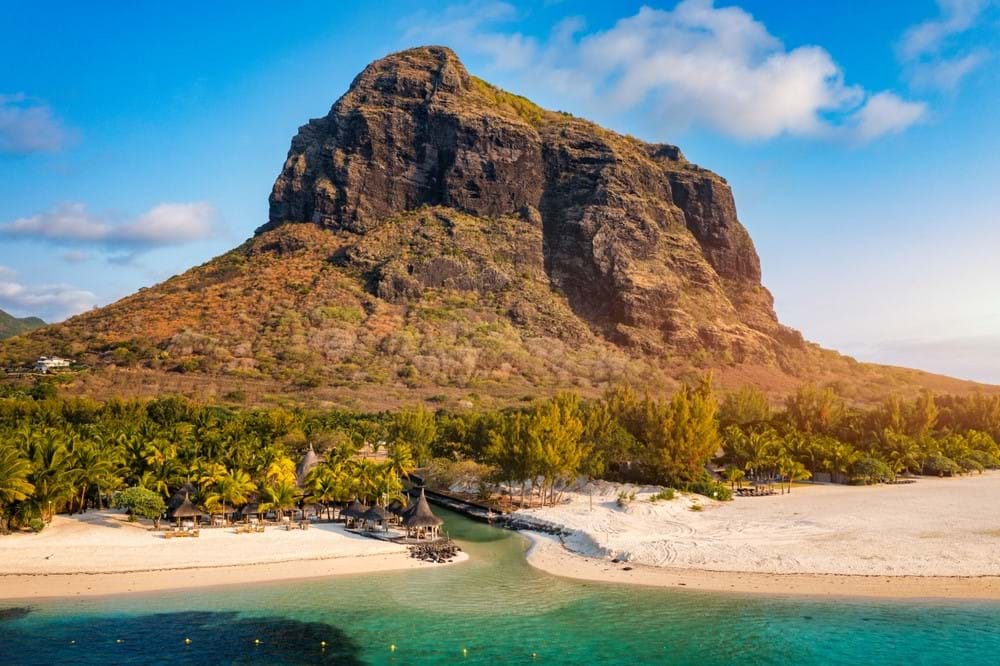
End this escape with a swim in the lagoon at the foot of the mountain. It’s a moment that will linger.
From Port Louis to Cap Malheureux
Port Louis is a condensed version of Mauritius. Colonial buildings stand alongside modern towers, telling the story of the island’s evolution.
No visit to Port Louis is complete without a stop at the Central Market. As soon as you step through its large gates, your senses come alive. Colours and fragrances fill every stall.
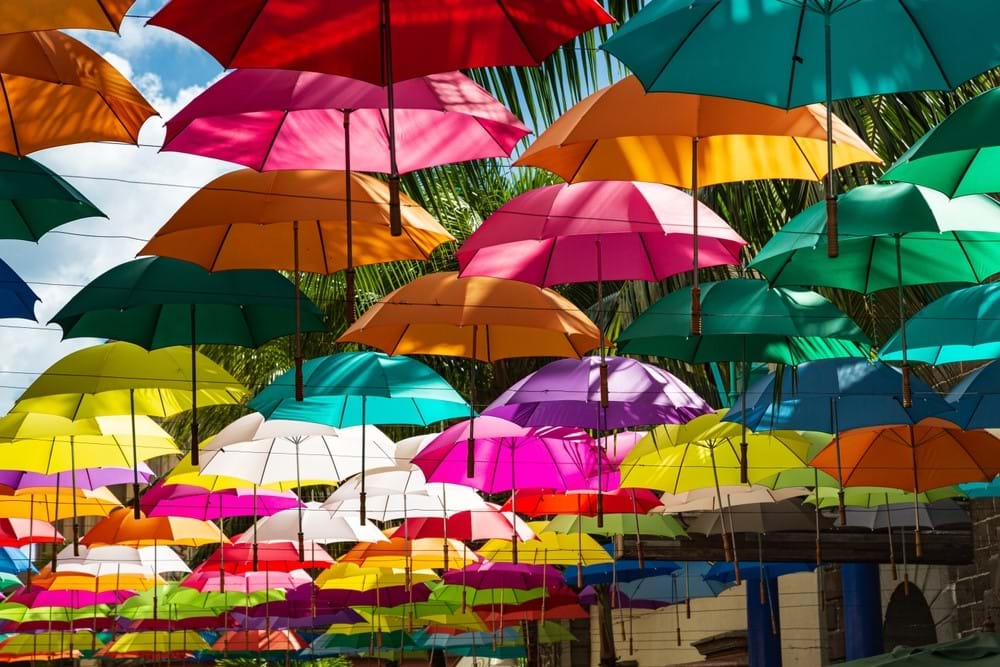
Through the underpass, you can reach the Caudan Waterfront, a lively seafront lined with shops, cafés and restaurants, many offering beautiful views over the harbour.
Next stop: the Sir Seewoosagur Ramgoolam Botanical Garden in Pamplemousses. Spanning 37 hectares, it is home to endemic plants as well as exotic species from around the world. Just a few minutes here are enough to feel a deep sense of calm.
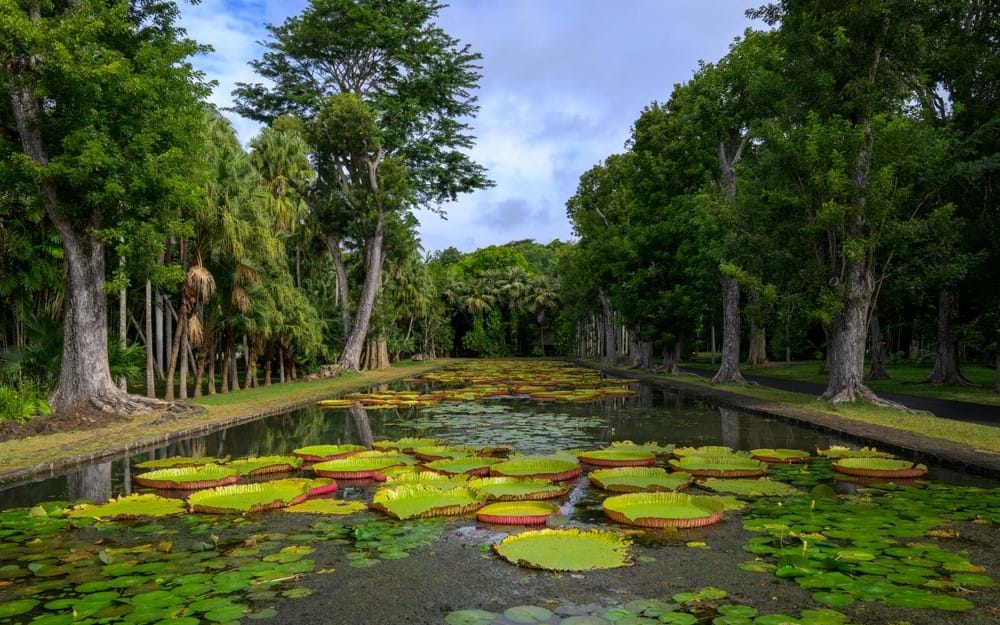
The road then leads to Grand Baie. Following the coastline further north, you’ll reach Cap Malheureux, known for its red-roofed church. From the beach, your gaze naturally drifts towards the northern islets, including the striking Gunner’s Quoin. It’s hard to imagine a better ending than immersing yourself in this picture-perfect setting.
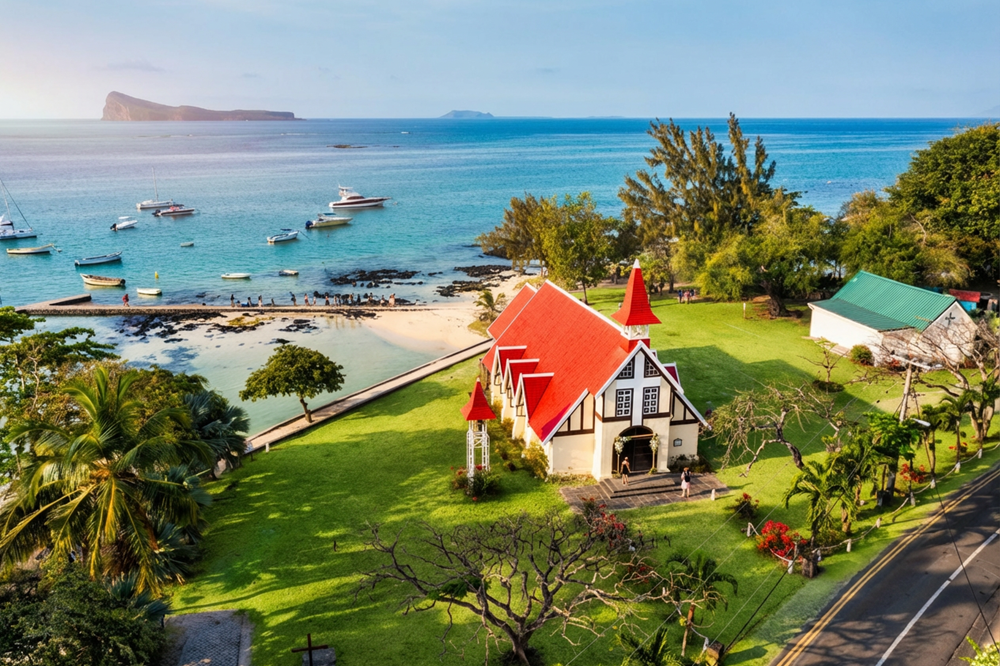
These three road trips, to be enjoyed at your own pace, reveal the many faces of Mauritius. More than simple routes, they invite you to slow down and let the island unfold before your eyes, in its own time…