




5 Fascinating Stories from the History of Mauritius
30 March 2026
Mauritius is often defined by its beaches, lagoons and natural beauty. But the island tells many other stories too. Its history is shaped by resistance, remarkable lives, lost symbols, and musical traditions that emerged from hardship and became part of the nation’s identity. Here are a few fascinating facts that add even more depth to what you see, hear and feel when discovering Mauritius.
1. The Dodo’s Extinction
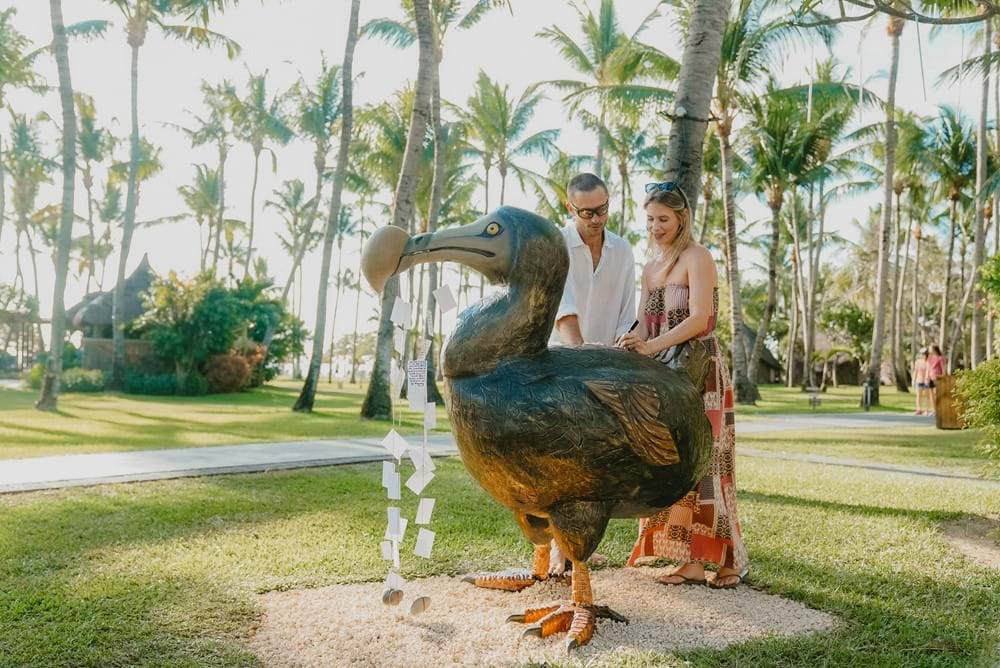
The dodo is one of the most iconic symbols of Mauritius, but also a powerful example of human-driven extinction.
Less than a century after humans first arrived on the island, the bird had already disappeared. Tame and flightless, it was an easy target for sailors. Its extinction was further accelerated by the introduction of invasive species and the destruction of its natural habitat.
2. A first “independence” in 1796
In 1794, the French Revolution abolished slavery. On 4 February, the National Convention passed a decree ending slavery in French colonies, including Isle de France (the name given to Mauritius during the French period).
This decision was far from welcome among the island’s settlers, as the colony was then built on a plantation economy. In June 1796, two officials were sent from Paris to enforce the decree. Their mission failed: shortly after arriving, they were forced to leave due to the strong resistance from the settlers.
From that moment, the island became virtually independent. The colonial assembly severed ties with France and governed the island’s affairs autonomously. It was not until Napoleon Bonaparte came to power in 1802 and reinstated slavery that relations with France were restored.
3. The first “Mauritian”
Ever heard of Simon van der Stel? He is often regarded as the first “Mauritian”, being the first person whose birth was officially recorded on the island. The son of Adriaan van der Stel, an administrator of the colony, he lived in Mauritius until the age of six before his family moved to South Africa.
There, he went on to achieve a remarkable career, becoming the first governor of the Dutch Cape Colony and playing a key role in the development of South Africa’s wine industry. The town of Stellenbosch, famous for its vineyards, was named in his honour.
4. The Battle of Grand Port
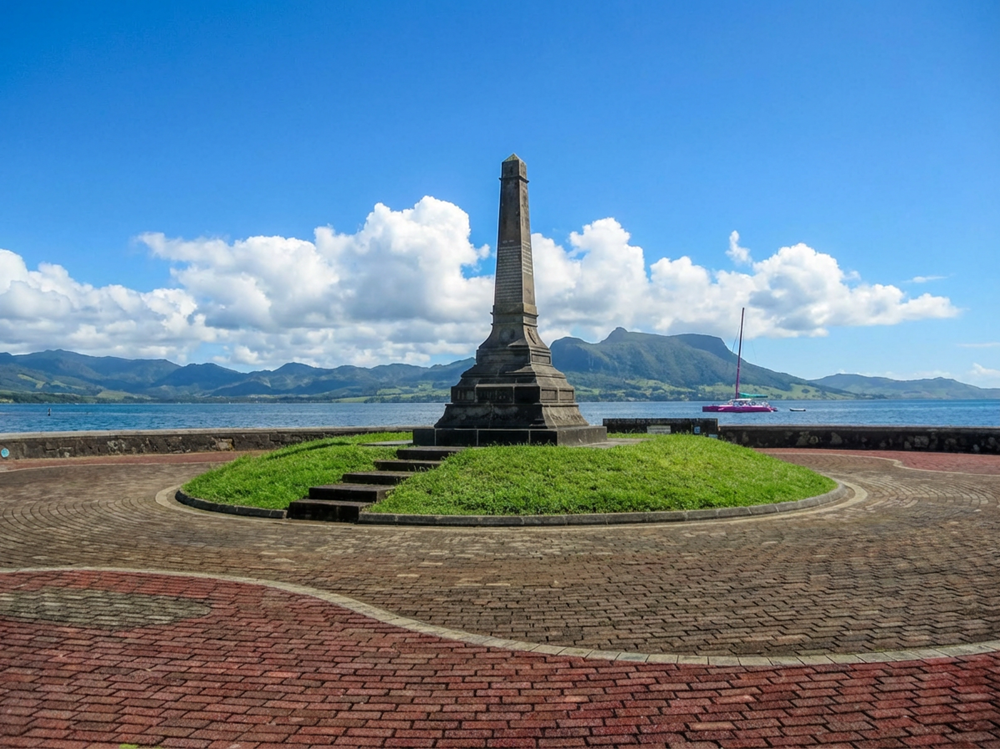
August 1810. The bay of Grand Port, in the south-east of Isle de France, was the stage of a historic naval confrontation: the Battle of Grand Port. Fought between French forces and the British Royal Navy during the Napoleonic Wars, it remains the only naval victory of France over Britain during this period.
It is also the only naval battle commemorated on the Arc de Triomphe in Paris. In 1899, a monument was erected in Mahébourg to honour the sailors from both sides who lost their lives in the battle. A site you can visit on your next stay in Mauritius.
5. Sega: a living cultural heritage

On 6 April, Mauritius celebrates National Sega Day in honour of the artist Serge Lebrasse. Since November 2014, traditional Sega has been inscribed on UNESCO’s Intangible Cultural Heritage list.
Originally created by enslaved people as a means of expressing their daily lives and emotions, sega is now a vibrant and enduring symbol of Mauritian culture. Today, it remains an essential part of the visitor experience, particularly through performances held in Sunlife’s resorts.
In Mauritius, history is woven into the landscape. It lives on in village names, along the coastline, in music, and in the image of the dodo, a vanished bird that became a national symbol. Discovering these stories brings a different perspective to the island, one with more depth, feeling and curiosity.